
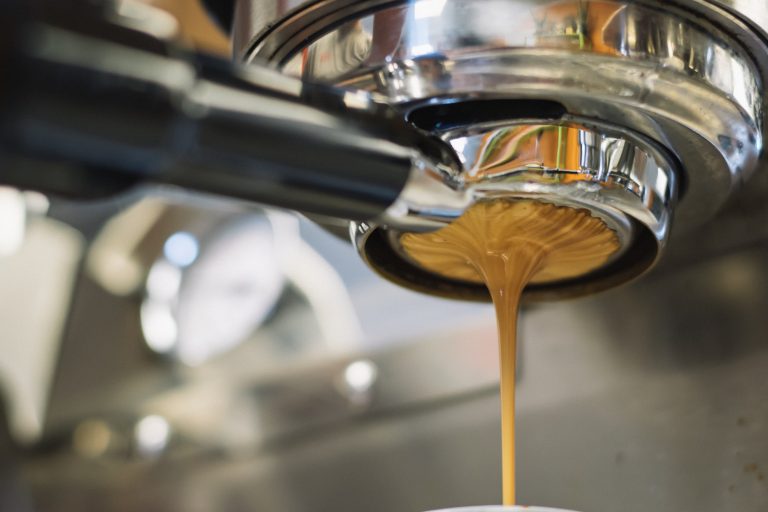
Espresso... is it ambrosia or a test of endurance?
For espresso to be worthy for the gods, everything upstream must have been done flawlessly. From cultivation, harvesting, drying, milling, to storage, transportation, and roasting the standard of care must be meticulous.
And if it was all just so, then an experienced barista can coax a mind blowing drink into the cup. It will be syrupy in texture, have creamy mouth feel, and an orchestra of aroma and flavours from approach to long aftertaste.
A great espresso should not require any sugar or milk but will be delicious to sip on its own... like an excellent whisky can be.
But how?
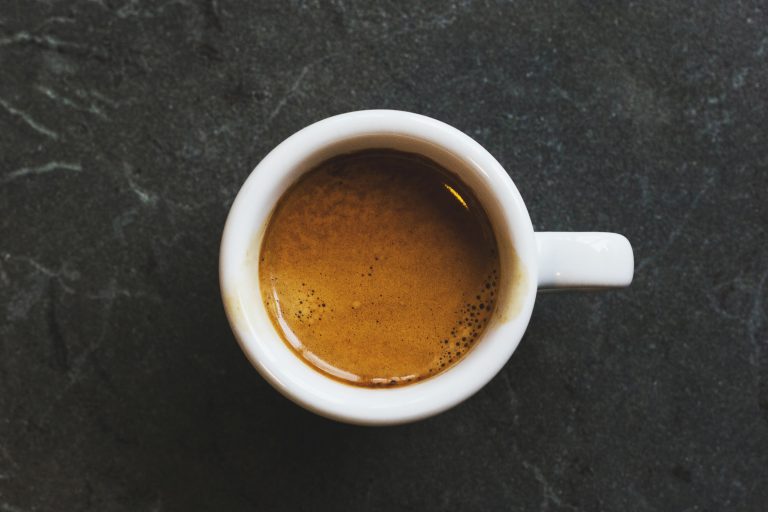
Espresso is not a roast level, nor a grind, nor a kind of coffee bean. It is a method of preparing coffee.
At its most simple, espresso is a method of preparing coffee that extracts coffee oils under pressure.
According to the Specialty Coffee Association “Espresso is a 25–35ml (.85–1.2 ounce [×2 for double]) beverage prepared from 7–9 grams (14–18 grams for a double) of coffee through which clean water of 195°–205°F (90.5°–96.1°C) has been forced at 9–10 atmospheres of pressure, and where the grind of the coffee is such that the brew time is 20–30 seconds. While brewing, the flow of espresso will appear to have the viscosity of warm honey and the resulting beverage will exhibit a thick, dark golden crema. Espresso should be prepared specifically for and immediately served to its intended consumer.”
So how can an experienced barista prepare perfect espresso every time?
I break it down to: equipment, choosing the best coffee, setting the grind, setting the dose, tamping, observing and, most of all, knowledge and attention.
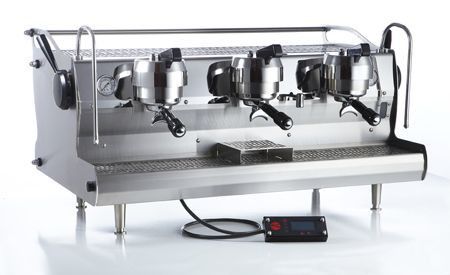
There is a lot of discussion about coffee equipment, but at its core, an espresso machine needs to maintain the temperature and the pressure of the water as it extracts the coffee. This needs to be paired with a highly adjustable grinder. Cleanliness is an often neglected factor at the peril of the perfect espresso. Coffee oils go rancid over time! Here is a post on cleanliness.
In our lab we use Synesso espresso machine because it maintains the temperature of the group to within 1/10 of a degree at all times thus offering phenomenal consistency. Having said this, I can get a decent shot out of any well maintained commercial espresso machine. The Synesso just makes it easier. I do recommend choosing a machine with a pressure gage. The pressure is maintained by a standard external pump that must operate between 8 and 10 bars. I set mine to 9 bars.